
Table of Contents
Snap Election Lands in Northwest BC With Winter Coming and Two Campaigns at Once
Northwest BC is heading back to the polls, and sooner than anyone planned. Premier David Eby has called a snap provincial election for October 24, 2026, about two years ahead of schedule.
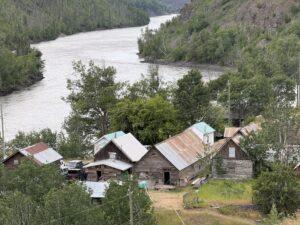
For a region where the days are getting short, the weather is turning, and the nearest polling place can be a long drive away, the timing has not gone unnoticed.
Two elections, one week apart
Provincial voting falls one week after the province’s general local elections on October 17. Municipal leaders had asked the premier not to overlap the two campaigns. The president of the Union of BC Municipalities warned it risks confusion among voters and will pull media attention away from local races.
In smaller northern communities, where council and school board races are often decided by who people know, that matters. Candidates now have to share volunteers, donations, and the public’s attention with a provincial campaign being run largely from the Lower Mainland.
Why now?
Eby has pointed to escalating pressure from the United States as the reason. He described the trade war and economic pressure from the US president as an “existential moment” for BC. His government holds a thin majority. The NDP won 47 of 93 seats in 2024, with the Conservatives winning 44 and the Greens two.
The Conservatives enter the campaign under interim leader Lorne Doerkson after Kerry-Lynne Findlay resigned. The opposition has had a turbulent summer, and several MLAs left or were removed from caucus before returning. Wikipedia’s account of the period lists Skeena’s and Nechako Lakes’ MLAs among them. Green Leader Emily Lowan said British Columbians weren’t due back at the polls until 2028 and that this election “isn’t wanted.”
What’s at stake in the north
The northwest depends on forestry, mining, ports, and energy projects, which are the kinds of industries most exposed to a trade fight. Health care access, highway safety, and wildfire and emergency preparedness also come up again and again in northern communities. Voters in the region’s four ridings (Bulkley Valley-Stikine, Nechako Lakes, North Coast-Haida Gwaii, and Skeena) will want to hear specific commitments on these issues, not just broad provincial themes.
How rural voters are feeling
For many northern residents, the reaction is likely a mix of weariness and wariness. People here have lived through an election, a wet summer that spared the region from fire, and now another campaign, all while prices and distances stay what they are. There is a familiar worry that the north gets a short visit from the leaders, or none, and an even shorter list in the platform.
According to an attendee at a local townhall, “Mr. Eby has really dropped the ball.”
There is also a practical frustration. A rushed campaign in late October means less time to learn who the candidates are and what they stand for, in places where candidate meetings are few and the roads are not getting any better.
How to vote
- Advance voting: October 16 to 21, from 8 a.m. to 8 p.m. local time, at five places in Bulkley Valley-Stikine, six in Nechako Lakes, five in North Coast-Haida Gwaii, and five in Skeena.
- Final voting day: Saturday, October 24, 8 a.m. to 8 p.m. Pacific time.
- District electoral office: You can also vote at a district electoral office any day it’s open, until 4 p.m. on October 24.
- Registration: Elections BC says voters can register or update their information online.
If you live somewhere remote, don’t leave it to the last day. A closed road or a cancelled flight on October 24 won’t help your vote count. During the last federal election, also called without thought for the conditions often present during our northern winters, roads were closed and polling stations unmanned due to blizzard conditions that closed the roads.
Discover more from Wet Coast Daily
Subscribe to get the latest posts sent to your email.